Mascot Mine Heritage Site Revitalization
Concept planning and structural assessment for heritage preservation and tourism access at the historic Mascot Mine, Hedley, BC.
Client: Upper Similkameen Indian Band (USIB)
Location: Hedley, BC
Project Type: Buildings – Built Heritage
About This Project
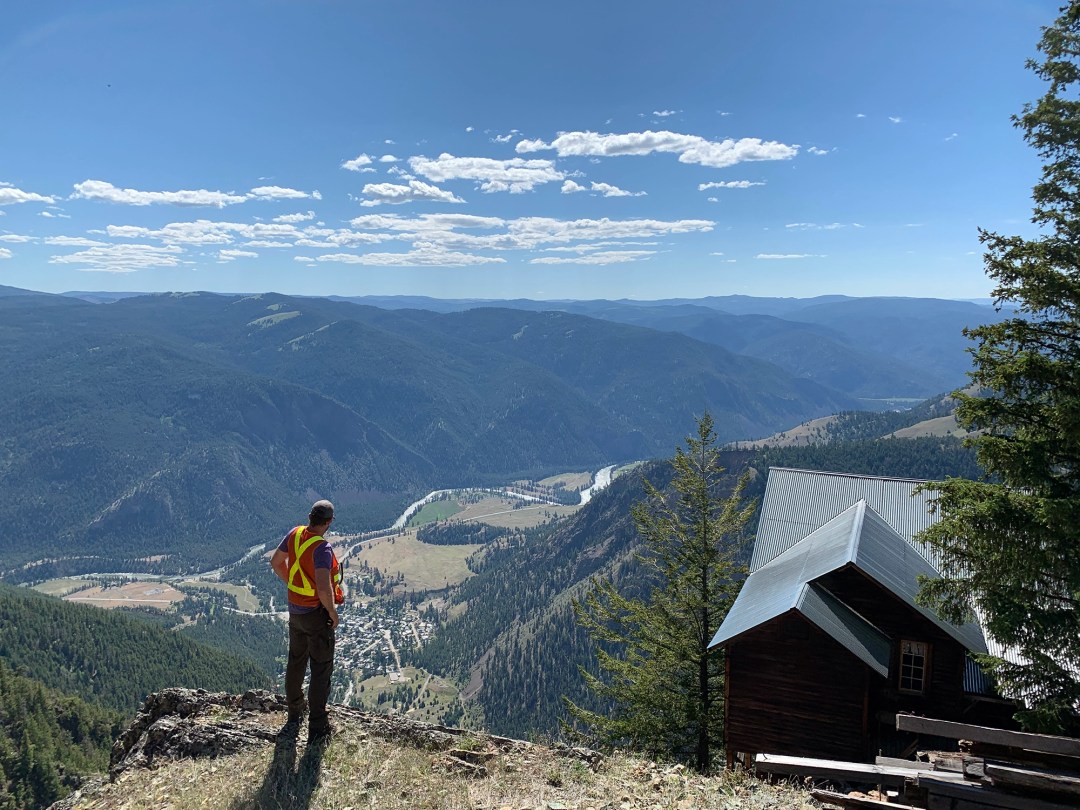
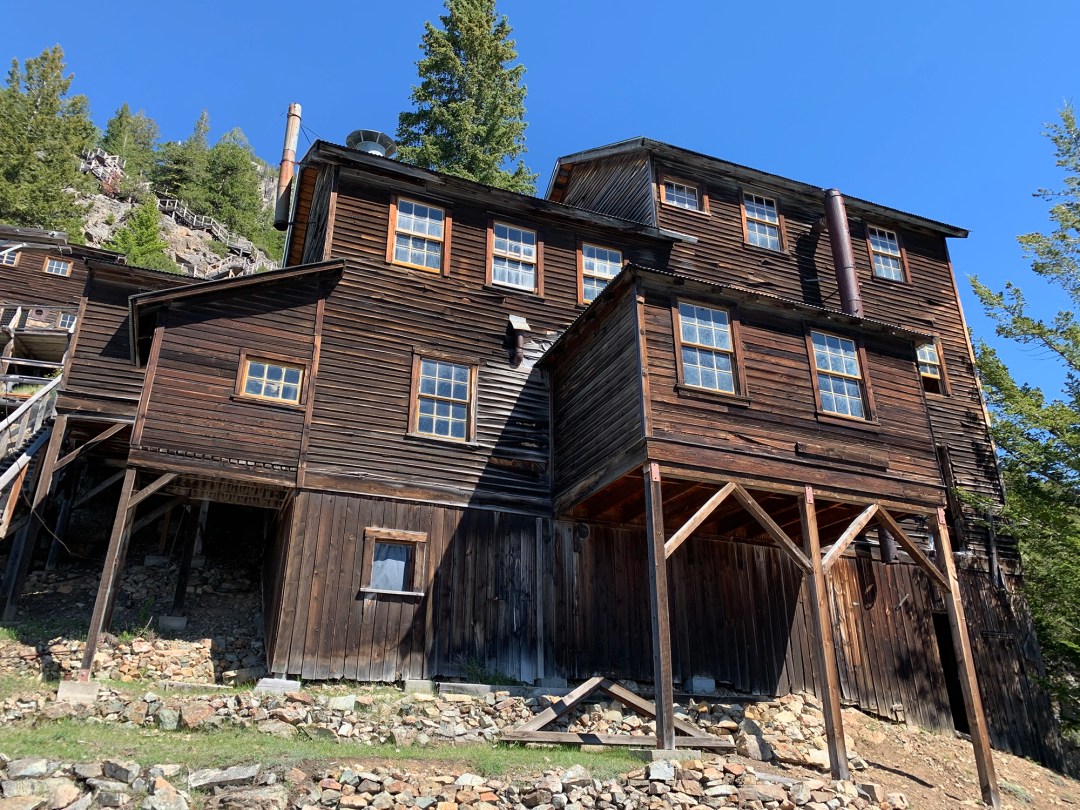
Above the town of Hedley, British Columbia, the Mascot Mine clings to the slopes of Nickel Plate Mountain, one of the country’s most visually striking historic mining sites since its discovery in 1899. Decades of abandonment and safety concerns left the site facing possible demolition in the 1990s, but preservation won out instead: the Upper Similkameen Indian Band (USIB) re-roofed several of the mine buildings, and the province funded stabilization and retrofitting work to maintain the structures and prepare the site for potential future tourism.
ISL has partnered with USIB on two connected phases of work supporting cultural heritage and future tourism in the Similkameen Valley.
The first phase, beginning in 2021, focused on establishing a technical foundation: ISL assessed the structural integrity of the mine buildings and planned for safe future public access, all while respecting the site’s historical character. That groundwork laid the case for a long-term way to reach the remote, high-elevation site.

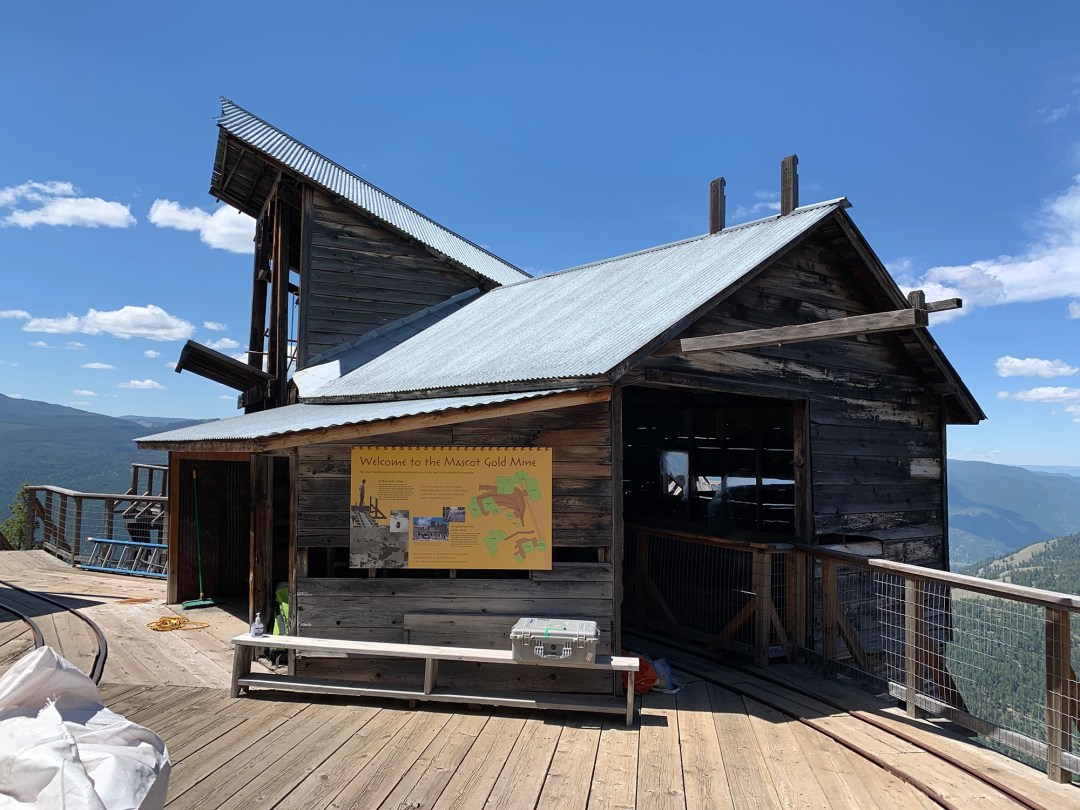
That case took shape in 2025, when ISL led a multi-disciplinary concept planning initiative as prime consultant, examining elevated lift options to connect the valley floor to the mine. Working alongside Doppelmayr Canada, a ropeway manufacturer and lift specialist, and Ryzuk Geotechnical, ISL balanced client requirements with geotechnical hazards and lift design criteria to develop multiple alignment options and created a rubric to rank the options. ISL also completed a large LiDAR capture of the full mountainside to enable Garaventa and Doppelmayr to accurately price their lifts. Class D cost estimates place the lift infrastructure at approximately $53.95 million CAD.
Cultural stewardship and sustainability have anchored every decision across both phases. Ongoing engagement with stakeholders and Indigenous partners kept the work aligned with USIB’s broader master planning vision, laying the groundwork for heritage tourism to drive long-term economic growth without compromising a landscape that can’t be replaced.