
Uptown Mobility Hub
Maximizing existing infrastructure to support safe, multimodal travel
Client: BC Ministry of Transportation
Location: Saanich, BC
Project Type: Transportation, Networks
About This Project
This project established a comprehensive transportation plan to guide future growth and investment in a rapidly evolving community. With limited funding available for roadway expansion, the focus was placed on making the most of the existing network while supporting safe, accessible, and multimodal travel options.
Through detailed data collection and transportation modelling, the plan evaluated how much growth could be accommodated within current infrastructure. Rather than relying on road expansion, the analysis identified required mode share targets and outlined strategies to support a shift toward more sustainable travel behaviours.
The plan includes a complete active transportation network designed for users of all ages and abilities, along with targeted transit improvements such as upgraded bus stops and new exchanges in key commercial areas. A financially realistic capital plan aligns infrastructure investments with community priorities and long-term objectives.
Supported by stakeholder engagement and clear communication materials, the final plan provides an accessible and implementable roadmap that balances growth, mobility, and fiscal responsibility.

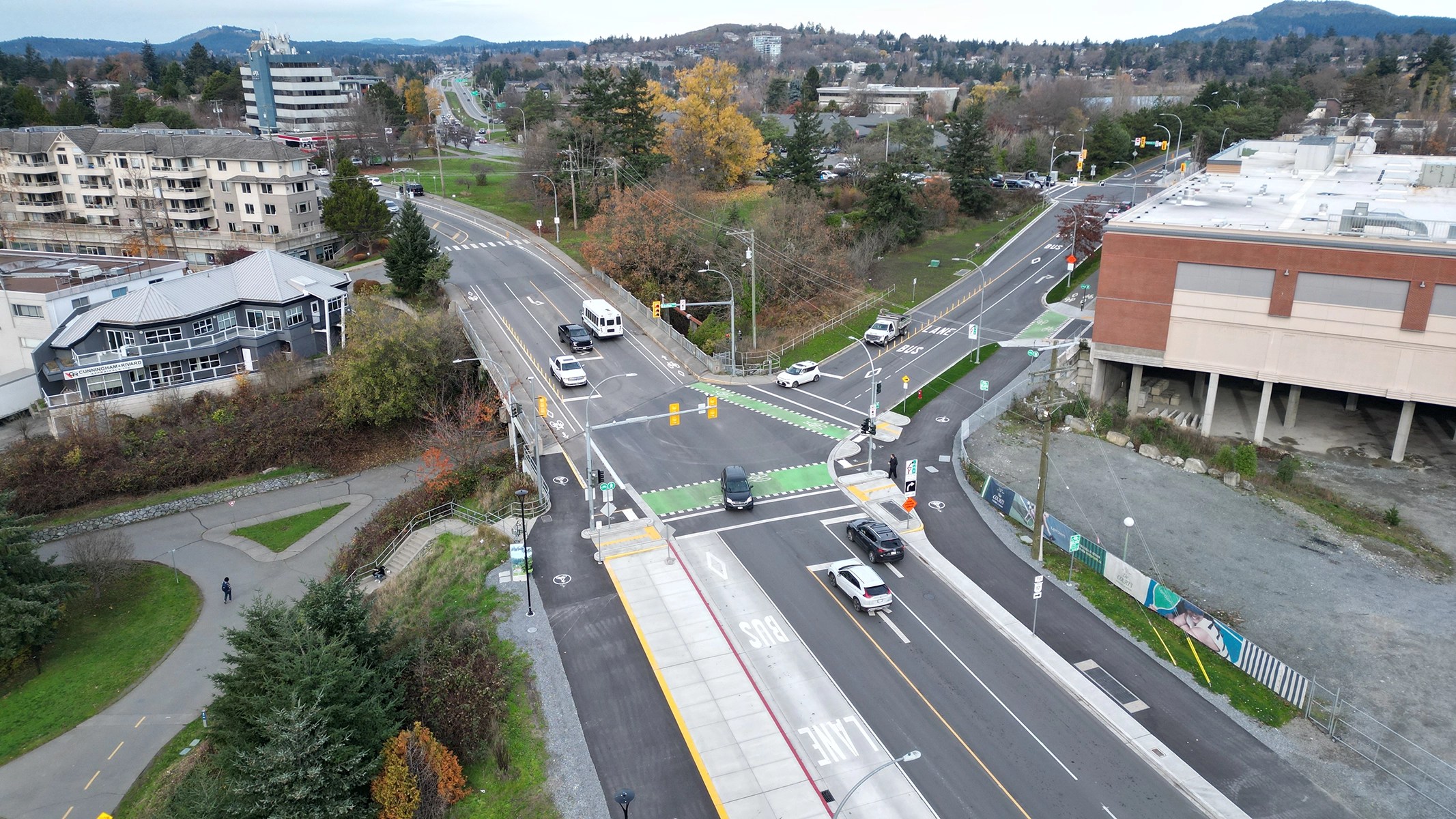
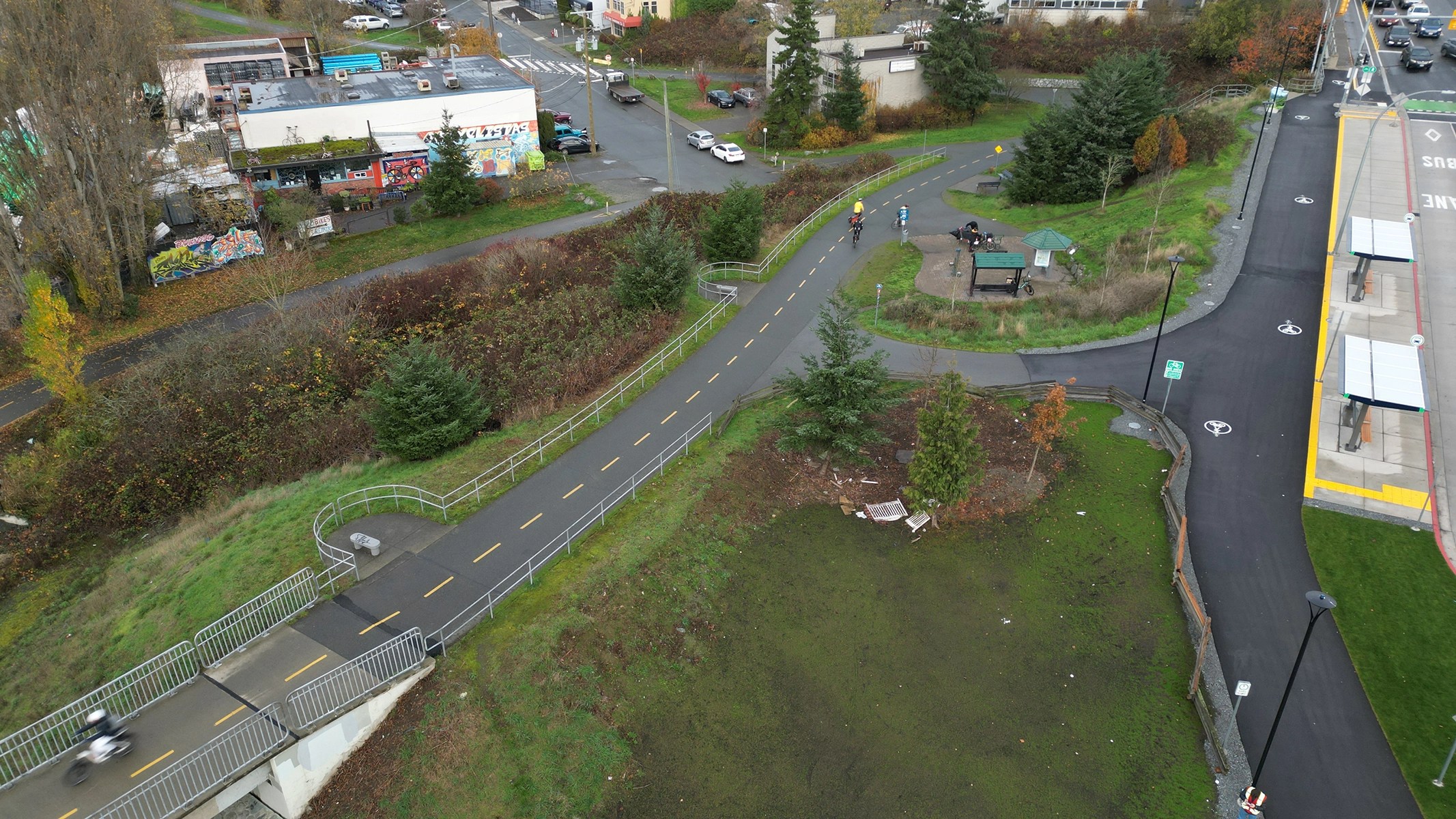
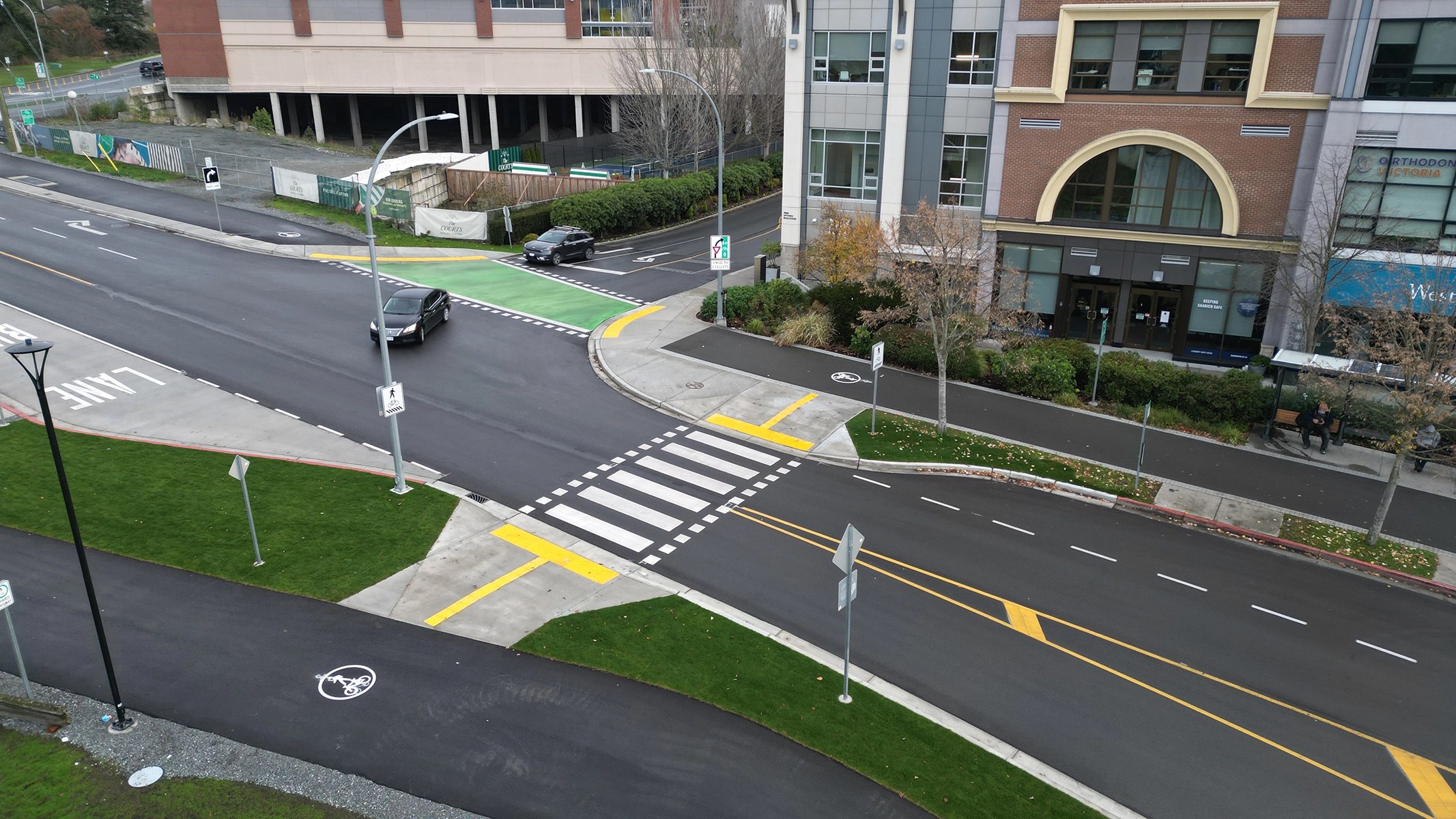
ISL Delivered:
Bus stop capacity and quality enhancements
Bus priority lanes
Accessibility Improvements
New cycling connections
Project Impact:
By upgrading bus stop capacity, introducing bus priority lanes, and improving cycling and pedestrian connections, the project delivers a measurably better experience for the people who rely on public transit every day. For commuters, that means faster, more reliable bus service and a safer, more comfortable place to wait; for cyclists and pedestrians, better connections to stops, businesses, and the broader network.
This project is a replicable model for how transit-priority design can transform a busy urban intersection into a multimodal hub that actively supports mode shift, reduces reliance on single-occupancy vehicles, and keeps communities moving.