
Meet the Geoscientist Expanding ISL’s Environmental Site Assessment Services

Bryn Gelowitz, P.Geo.
Environmental Geoscientist
Before a project breaks ground, Bryn Gelowitz wants to know what’s underneath it.
Bryn is a Professional Geoscientist (P.Geo.) and contaminated sites specialist who recently joined ISL’s Calgary office. He brings more than 10 years of experience in environmental site assessments (ESAs), remediation and risk management, including large, long-term portfolios for government clients.
With Bryn on the team, ISL is expanding its environmental site assessment services across Alberta and Saskatchewan, and can now take clients through the whole process, from early desktop reviews to intrusive investigations, risk management and remediation. That means clients get answers about their sites earlier in a project, from the same team that is planning and designing it.
Due Diligence Before the Build
“It provides the client an insight into project risks, potential budget or timeline increases, and provides options to manage impacted areas prior to and during construction”
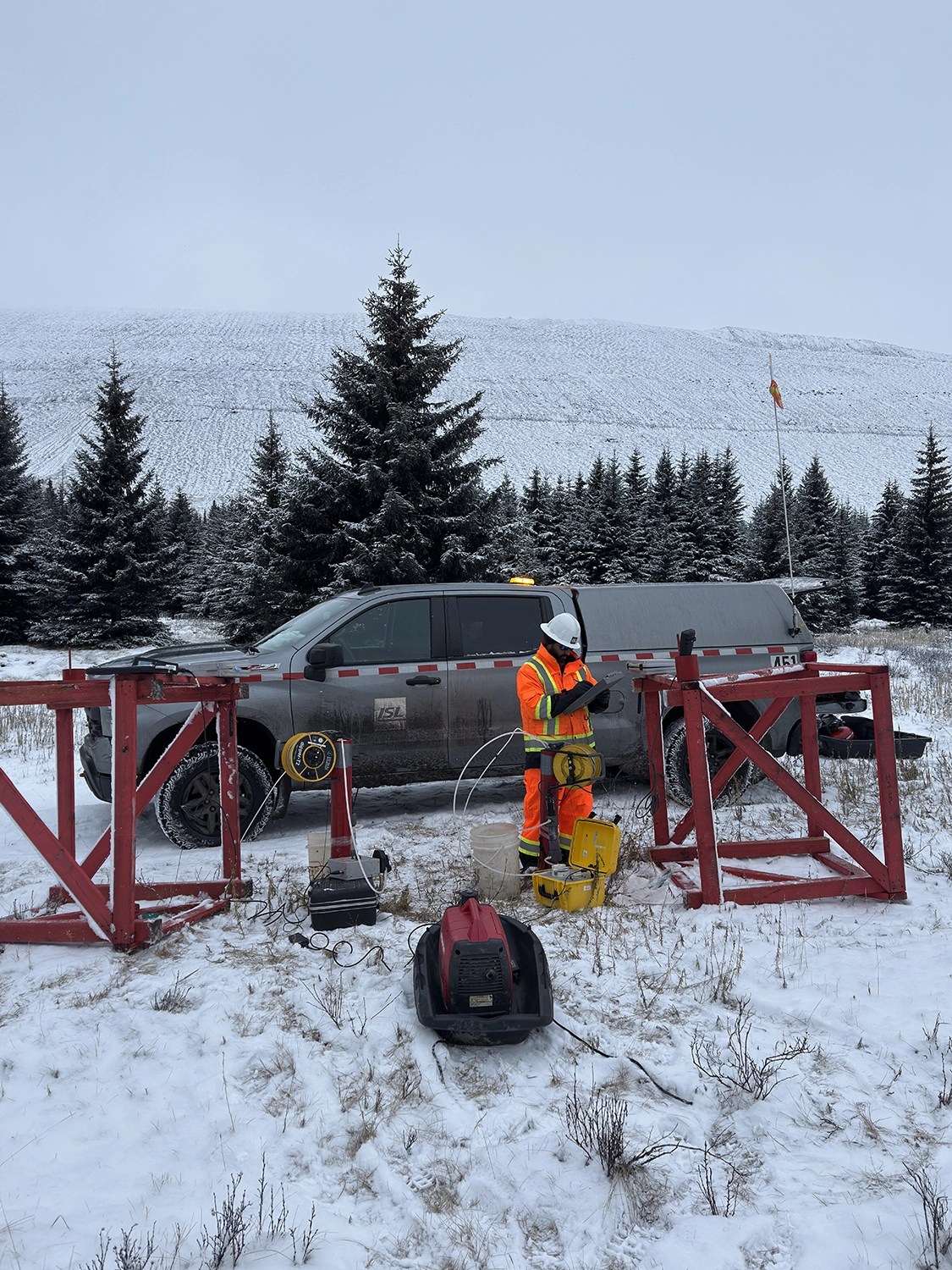
Much of Bryn’s work happens long before construction. Desktop assessments and reviews of historic reports identify potential risks before a project advances, and preliminary subsurface investigations provide a client the information to make complex decisions before they become a problem.
“It provides the client an insight into project risks, potential budget or timeline increases, and provides options to manage impacted areas prior to and during construction,” he says. Bryn calls it a preliminary planning tool, and it’s one he already uses with many ISL teams to complete due diligence. It’s a way to help a project meet its regulatory obligations without running into those risks partway through.
A recent example came from a Phase I ESA he completed for an area structure plan in Fort Saskatchewan. The question was whether further investigation could wait until the development permit or subdivision plan stage. Bryn’s answer was no.
“We need to assess these concerns ahead of time, to determine if the issues exist and if we can mitigate the environmental risk or restructure our plans in practical ways that will benefit our clients” he says. The alternative is learning at the permit stage that you can’t build where an abandoned wellsite sits, for example.
That’s the moment every project team works to avoid: a client asking, partway through a project, why nobody considered an issue ahead of time.
From Desktop Review to Remediation
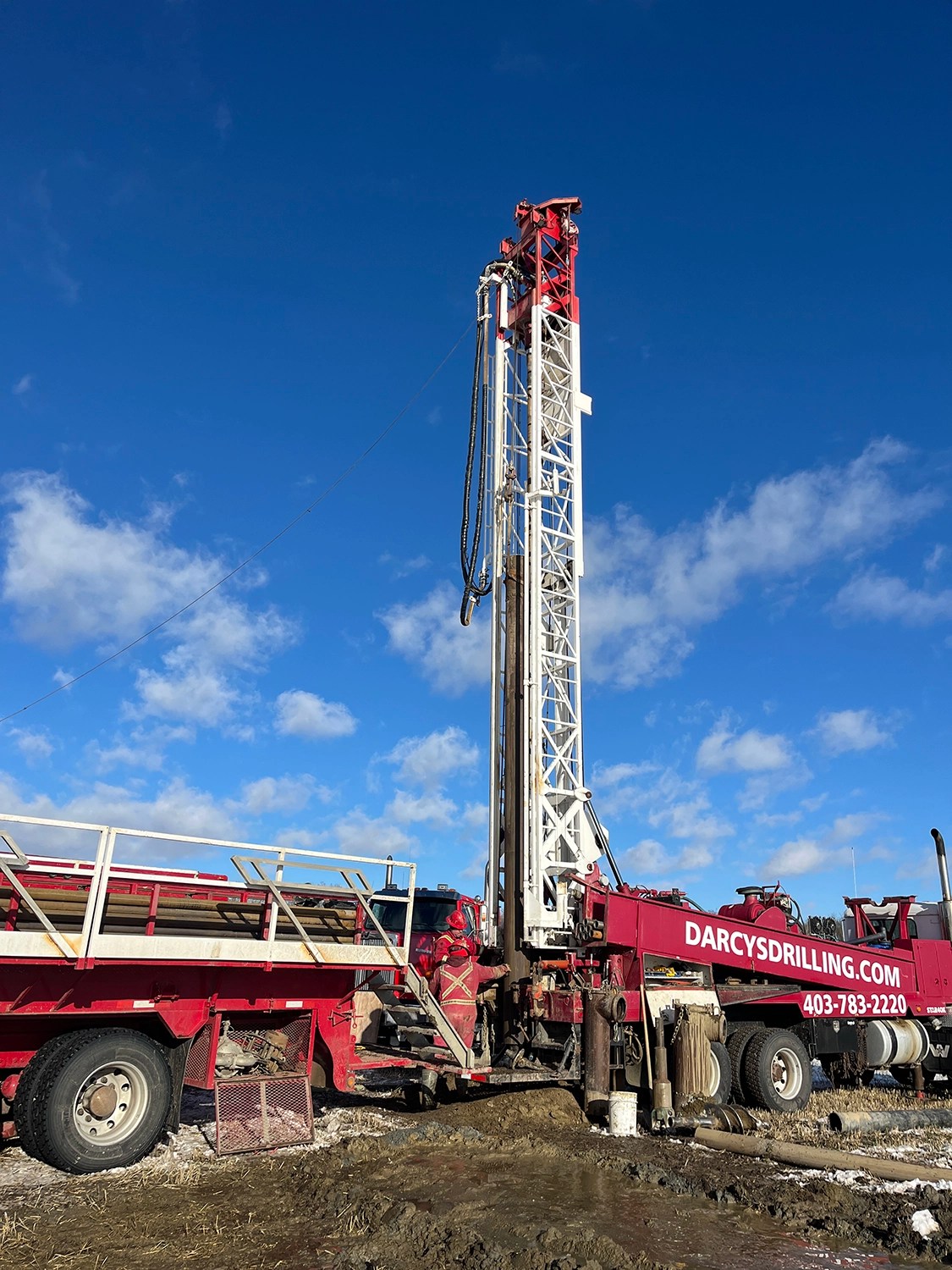
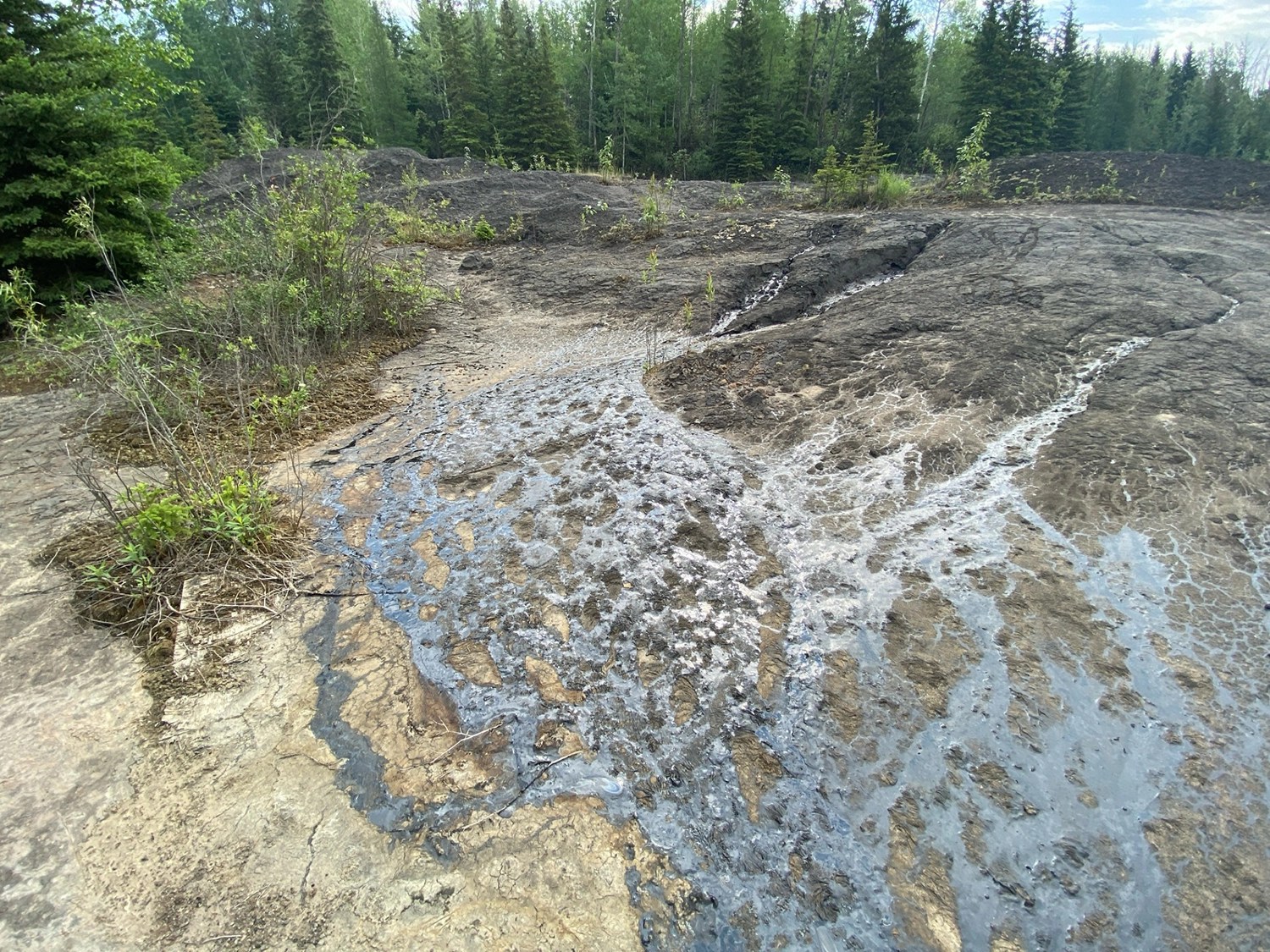
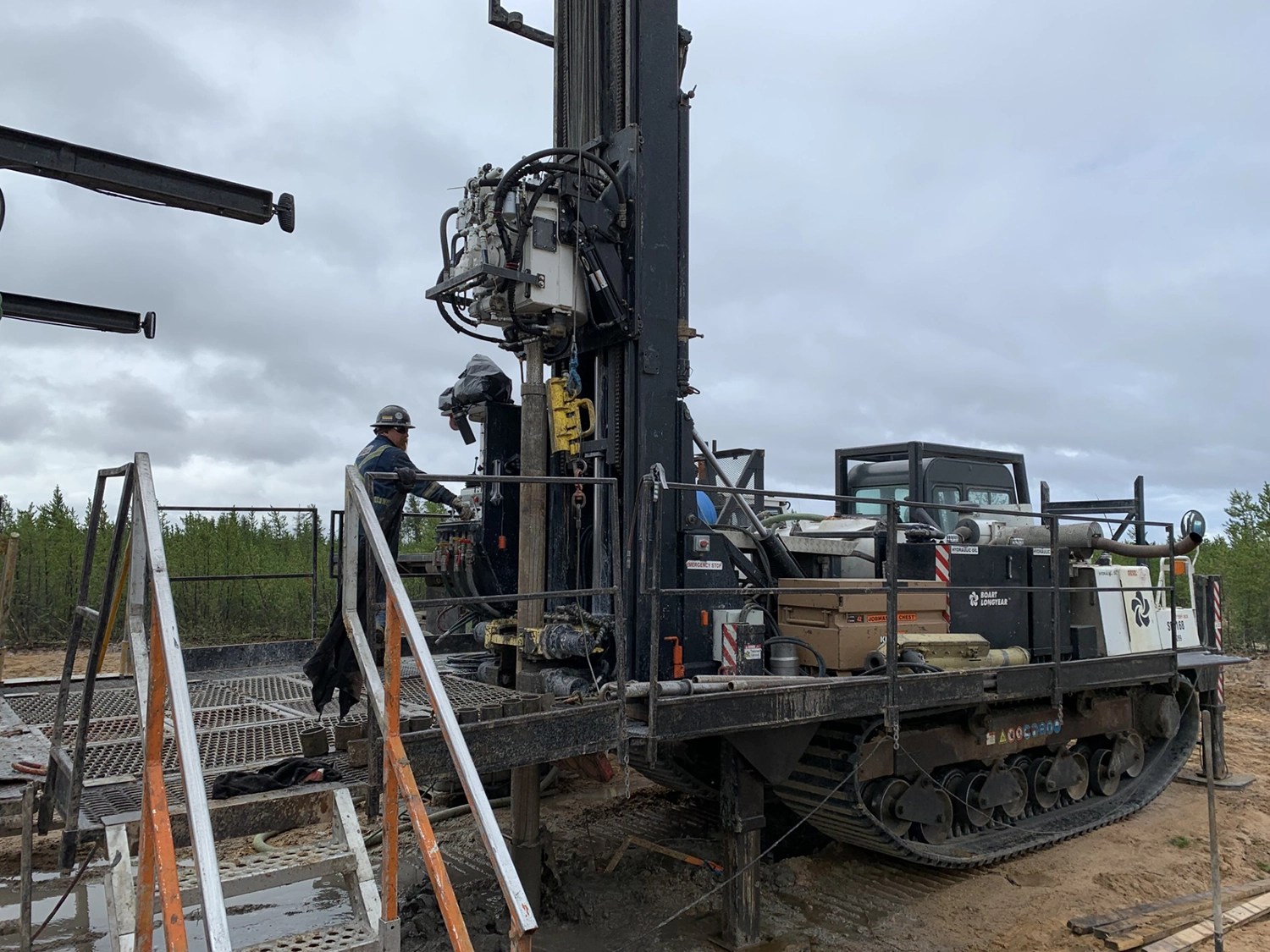
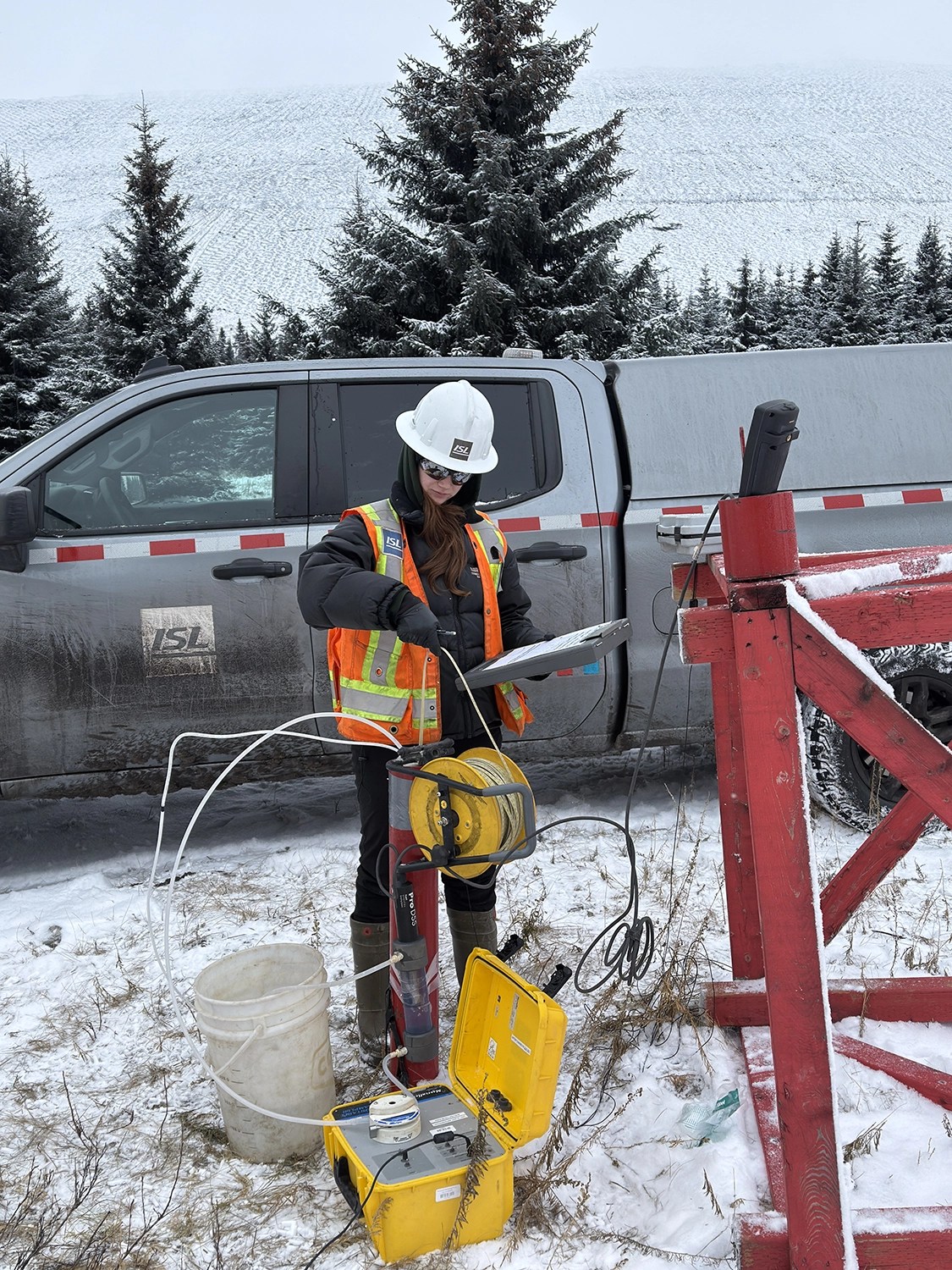
Bryn brings contaminated sites expertise to every stage of the process. That starts with Phase I ESAs, the desktop assessments that flag potential concerns early; it carries forward with Phase II ESAs or other intrusive investigations that physically assess the subsurface, then into remediation or risk management.
“It’s going from preliminary planning and due diligence all the way into: where is the contamination? How do we physically assess it in the subsurface? How do we manage the risk or remediate it so our infrastructure projects can be delivered successfully?” he says.
His experience covers sampling programs for soil, groundwater, surface water and soil vapour, along with Remedial Action Plans, Risk Management Plans, complex remediation projects and human health and ecological risk assessments. He has also completed monitoring programs for approvals under Alberta’s Environmental Protection and Enhancement Act, managed hydrogeological assessments and used generic Alberta Tier 1 assessment guidelines, or developed Alberta’s Tier 2 guidelines and soil vapour quality guidelines.
One Team from Start to Finish
When environmental work is handed off to a separate firm, it can sit at arm’s length from the rest of the project. Every handoff adds complexity: communication can often take longer, the bigger picture can get lost and a small piece of the scope can easily become a piece of work nobody fully owns.
In-house, the environmental team is part of the project from the beginning and stays with it. “Ultimately, I think it comes down to providing a full service that can be completed on time, on budget, with limited hiccups throughout the process,” he says.
It also gives clients one team to call. If a question comes up later in design or construction, it goes straight to Bryn and the ISL geoscientists he works with, instead of to an outside contractor.
It’s a message he’s already bringing to proposals. “You don’t have to worry about getting five different consultants on board. You don’t need to have 10 different invoices coming in. ISL is one-team, from start to finish.”
Solving the Puzzle
“Ultimately, I think it comes down to providing a full service that can be completed on time, on budget, with limited hiccups throughout the process”
For Bryn, the appeal of the work comes down to the scientific method.
“You have this hypothesis of what’s going to happen. Let’s test it, let’s figure it out, and then let’s keep refining our understanding until we get to the bottom of this puzzle,” he says.
Once the pieces fit, the next question is what they mean for the client and how can we provide the best advice that will benefit both the environment, as well as our clients’ interests.
A Growing Team in Calgary
Bryn isn’t doing this work alone. He works closely with ISL’s talented hydrogeology team in Calgary, and with teams across ISL that require environmental due diligence on their projects.
Every site has a puzzle underneath it. With Bryn and ISL’s hydrogeology team involved from the start, that puzzle gets solved before construction starts instead of halfway through. For clients, it means fewer surprises and one team to carry a project from the first desktop review to the final cleanup.
Your Next Read

Meet the Archaeologist Leading ISL’s Heritage Services Expansion in Alberta
Meet the Archaeologist Leading ISL’s Heritage Services Expansion in AlbertaISL is expanding its Heritage Services presence in Alberta with the...

Yellowhead Trail Freeway Conversion Reaches a Major Milestone
Yellowhead Trail Freeway Conversion Reaches a Major MilestoneThe Yellowhead Trail - St. Albert Trail to 97 Street project is the largest and most...

ISL Wins Brandon Hall Group Gold HCM Excellence Award
ISL Wins Brandon Hall Group Gold HCM Excellence AwardISL's SHIFT leadership program has been recognized for measurable impact and innovation in...